Nirayavali Sutra · Varga 1 · Chapter 10 · Final

Mahasena Krishna Kumar (महासेणकण्ह कुमार)

Varga 1 · Chapter 10 — The Greatest Army — and the Arc Closes

Prince Mahasena Krishna Kumar — son of King Shrenika's queen Mahasenādevi — is the tenth and final of ten brothers. "Mahāsena" means the great army. The largest possible military name. And still: the same Chetaka, the same Hemabha, the same ten sāgaropama. The Nirayavali Varga 1 is complete.

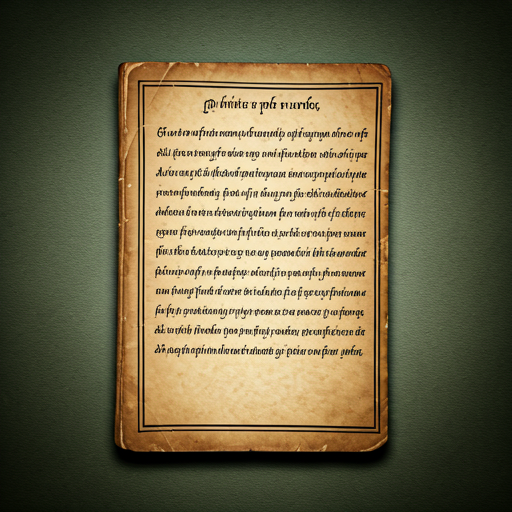
Ancient Jain manuscript

तं महासेणा ण महासेणकण्हं कुमारं, णो चेव णं तुमं महासेणकण्हं कुमारं जीवमाणं पासिहिसि ।

"Mahasenādevi — Mahasena Krishna Kumar is gone. You will not see Mahasena Krishna Kumar alive." — Lord Mahavira

About This Chapter

Mahasena Krishna Kumar

The tenth and final chapter of Varga 1. The greatest army, the largest military name, and the same tenth destination. The arc closes completely.

The tenth and final adhyayan of Nirayavali Varga 1. Mahasena Krishna Kumar — "the great army's divine dark one" — carries the largest military name of the entire series: "Mahā" (great) + "senā" (army) + "Kaṇha" (divine dark). The sequence of queens in this Varga traces an arc of names that has grown from simple to compound to cosmic. It ends here, at "Mahāsena" — the greatest army.

The Nirayavali has saved its grandest name for last — and given it the same ending as all the others. Ten verdicts. Ten times "you will not see him alive." Ten times the fourth hell. One teaching, told ten times, because one telling is not enough to shift what is embedded in the human tendency to believe in exceptions. The arc that began with Kāla — the dark one — closes with Mahāsena-Kaṇha, the great army's dark one. The first and last carry the same consequence. The law is complete.

10
Sutras
5
Parts
10 Sāgaropama
Hell Duration
Tenth of Ten
Varga 1 Complete
Nirayavali · Varga 1 · Adhyayana 10 · Final

The 10 Sutras

Each sutra is presented with the original Ardhamagadhi Prakrit, English translation, commentary, and a contemplative prompt.

Part I — The Setting
10.1

Ten Times — Homecoming

तेणं कालेणं तेणं समएणं रायगिहे णामं णयरे होत्था । रिद्धिथिमियसमिद्धे वण्णओ । गुणसीले चेइए वण्णओ । असोवरपायवे वण्णओ । पुढविसीलापट्टे वण्णओ ।

At that time, at that period, there was a city called Rajagriha — prosperous and thriving [description as in the Aupapatika Sutra]. There was the Gunasila garden [description likewise]. There was a foremost Ashoka tree [description likewise]. There was a stone slab upon the earth [description likewise].

Ten times. The opening that began with the first chapter now completes its full arc. Rajagriha, Gunasila, the Ashoka tree, the stone slab — these have been the frame for all ten stories. They have not changed. They have not tired. They will persist after this tenth telling is complete, holding the ground where all ten truths were spoken. Sacred texts end where they began because the ground of truth is not changed by what truth has been spoken there. The city endures. The garden endures. The teaching endures. After ten times, what was a description has become an invocation. The listener who has stayed through all ten chapters arrives here with the accumulated weight of nine prior stories. The tenth opening is not redundant — it is homecoming.

The simple version: The tenth and final chapter opens at the same place that held all nine stories before it. Ten times. The ground unchanged.
At the end of a long journey — through ten stories, ten names, ten losses — what does it feel like to arrive at the same ground you started from, and find that it is unchanged?
RajagrihaTenth RepetitionHomecomingGround Unchanged
10.2

The Final Transmission — Ten Stories Fully Carried

तेणं कालेणं तेणं समएणं समणस्स भगवओ महावीरस्स अंतेवासी अज्जसुहम्मे णामं अणगारे जाइसंपण्णे कुलसंपण्णे जहा केसी जाव पंचहिं अणगारसईहिं सड्ढिं संपरिवुढे पुढवीं चरमाणे गामाणुगामं दूइज्जमाणे जेणेव रायगिहे णयरे जाव अहापडिरूवं उग्गहं ओगिण्हित्ता संजमेणं तवसा अप्पाणं भावेमाणे विहरइ । परिसा णिग्गया । धम्मो कहिओ । परिसा पडिगया ।

At that time, Arya Sudharmashvami — accompanied by five hundred monks, wandering village to village — arrived at Rajagriha; accepted suitable lodging; dwelt through restraint and austerity. The assembly came out. The teaching was given. The assembly returned.

The tenth assembly. The tenth teaching. The tenth dispersal. Sudharmashvami has arrived ten times in this Varga, carrying the same five hundred monks, the same restraint and austerity, the same cultivated soul. What has been transmitted through ten repetitions of this frame is not just information — it is a structure of understanding. The Varga is complete when this tenth chapter ends. Sudharmashvami will then carry the entire Nirayavali Varga in living memory, ten stories fully transmitted, ready to be retold again to the next assembly, in the next village, on the next wandering path.

The simple version: Sudharmashvami arrived for the tenth and final time in this Varga, taught, and the assembly dispersed — the last of ten transmissions.
What teaching have I received repeatedly throughout my life, and only now — at a kind of ending — am I beginning to truly understand?
SudharmashvamiTenth AssemblyTen Stories CarriedTransmission Complete
Part II — The Inquiry
10.3

The Names Are Now Part of the Listener

तेणं कालेणं तेणं समएणं अज्जसुहम्मस्स अणगारस्स अंतेवासी जंबू णामं अणगारे ... उज्जुं जाणू अहोसिरे जाव विहरइ । तए णं से जंबू जायसड्ढे जाव पज्जुवासमाणे एवं वयासी — उवंगणं भंते समणेणं भगया महावीरेणं जाव संपत्तेणं के अट्ठे पण्णत्ते? एवं खलु जंबू ... उवंगणं पंच वग्गा पण्णत्ता, तं जहा: णिरयावलियाओ, कप्पवंसियाओ, पुप्फियाओ, पुप्फचूलियाओ, वण्हिदसाओ ।

Jambu asked what Mahavir taught in the Upanga. Answer: five sections — Nirayavali, Kalpavamsika, Pushpika, Pushpachulika, Vrishni Dasha.

The tenth and final naming of the five Vargas in this Varga. Ten times Jambu has asked. Ten times Sudharmashvami has named the five sections. The five names — Nirayavali, Kalpavamsika, Pushpika, Pushpachulika, Vrishni Dasha — are now permanently resident in the listener's mind. They require no effort to recall. This is the achievement of ten chapters of repetition: the structure of the whole Upanga has been made effortless to carry. When the listener encounters the word "Nirayavali" in any future context, they will know: it is the first Varga, the row of hells, the ten princes, the one law stated ten times.

The simple version: Jambu asked for the tenth and final time, and the five sections were named — the last time in this Varga.
What knowledge, asked about and answered ten times, has now become part of me rather than something I have to recall?
Jambu SwamiFive SectionsTenth AskingKnowledge Effortlessly Carried
10.4

The Verse Completes — Mahāsena, Named as Tenth

एवं खलु जंबू समणेणं भगया महावीरेणं जाव संपत्तेणं उवंगणं पढमस्स वग्गस्स णिरयावलियाणं दस अज्झयणा पण्णत्ता । तं जहा — काले सुकाले महाकाले, कण्हे सुकण्हे तहा महाकण्हे । वीरकण्हे य बोध्दव्वे, रामकण्हे तहेव य ॥ पिउसेणकण्हे णवमे, दसमे महासेणकण्हे उ ॥

The ten adhyayanas: Kala, Sukala, Mahakala, Krishna, Sukrishna, Mahakrishna, Virakrishna, Ramakrishna, Piusena-Krishna, Mahasena-Krishna.

The tenth singing of this verse. All ten names have been heard in this verse ten times. "Kāle Sukāle Mahākāle, Kaṇhe Sukaṇhe tahā Mahākaṇhe, Vīrakaṇhe ya bodhdhavve, Rāmakaṇhe tahaiva ya, Piuseṇakaṇhe ṇavame, dasame Mahāseṇakaṇhe u." Ten names, one verse, ten chapters. "Mahāsena" — the great army — is the last name in the verse, explicitly designated as the tenth. The names have grown from simple darkness to compound greatness to cosmic resonance — and the verse closes with the grandest military name of all. This verse has been sung in full ten times. After the tenth singing, it is complete.

The simple version: The verse of ten names is sung for the tenth and final time — Mahasena Krishna Kumar closes the list as the tenth.
The greatest army and the darkest dark: at the end of a series of ten, what does it mean that the largest name leads to the same place as the smallest?
Ten AdhyayanasMahāseṇakaṇha — TenthVerse CompleteArc Closes
Part III — Mahasena Krishna Kumar
10.5

Queen Mahasenādevi and Prince Mahasena Krishna Kumar

एवं खलु जंबू तेणं कालेणं तेणं समएणं इहेव जंबुद्दीवे दीवे भारहेवासे चंपा णामं णयरी होत्था । ... तत्थ णं चंपाए णयरीए सेणियस्स रण्णो भंजा कूणियस्स रण्णो चुल्लमाउया महासेणा णामं देवी होत्था, सूमालपाणिपाया जाव सुरूवा । तीसे णं महासेणाए देवीए पुत्ते महासेणकण्हे णामं कुमारे होत्था, सूमालपाणिपाया जाव सुरूवे ।

Thus, Jambu — in Champa, King Konik ruled. Also in Champa was Queen Mahasenādevi (Mahāseṇā) — a niece of King Shrenika — beautiful, with delicate hands and feet. Her son was Prince Mahasena Krishna Kumar (Mahāseṇakaṇha Kumāra), handsome and delicately formed.

The last of ten queens. The last of ten sons. Mahāseṇā — she of the great army. Her son Mahāseṇakaṇha — the great army's divine dark one. The sequence of queens in this Varga traces an arc of names: from Kāli (simply dark) through increasingly complex compound names, to Mahāseṇā (the great army). The names have grown. The ending has not changed. The Nirayavali concludes its series with the mother who carries "great army" — as if to say: the largest possible military claim, the most powerful name — and still the consequence is the same fourth hell, the same Hemabha, the same ten sāgaropama. Size does not change the law.

The simple version: In Champa, Queen Mahasenādevi — "she of the great army" — was the last of Shrenika's queens in this Varga, and her son was the handsome Prince Mahasena Krishna Kumar.
At the end of a series of ten — what does the last story teach that the first story could not, on its own, have made you understand?
ChampaQueen MahasenādeviMahasena Krishna KumarLast of Ten
10.6

The Great Army Marches — Numerical Equality as Final Argument

तए णं से महासेणकण्हे कुमारे अण्णया कयाइ तिण्हं दंतिसहस्सेहिं, तिण्हं रहसहस्सेहिं, तिण्हं आससहस्सेहिं, तिण्हं मणुयकोडीहिं, गडलवूहे एक्कारसमेणं खंडेणं कूणिएणं रण्णा सड्ढं रहमुसलं संगामं ओयाए ।

Then, on a certain day, Mahasena Krishna Kumar — with three thousand war elephants, three thousand chariots, three thousand cavalry, and three billion foot soldiers — set out in garudavyuha formation as the eleventh division of Konik's army, to fight the Rathamushala battle.

The tenth march. "Mahāseṇa" — the great army — marches with the same three thousand elephants as "Kāla" — the dark one. The numbers have not varied once in ten chapters. Not one extra elephant, not one additional chariot, not one larger formation for the one who carries the greatest military name. Ten men with ten identical forces, ten identical formations, ten identical entrances into the same battle. Ten identical deaths. Ten identical rebirths. The law does not grade on name size. The Nirayavali's final argument is made not in words but in identical numbers: the great army is three thousand elephants, the same as the dark one.

The simple version: Mahasena Krishna Kumar — "the great army" — marched to the same battle with the same force as all nine brothers. The last of the ten.
If I knew that my largest, most powerful effort would lead to exactly the same outcome as my simplest action in the wrong direction — what would that change about the choices I am making now?
Rathamushala BattleTenth MarchNumerical EqualityLaw Does Not Grade
Part IV — Mahasenādevi Rani
10.7

Ten Mothers — The Greatest Force, the Most Human Fear

तए णं तीसे महासेणा देवी अण्णया कयाइ कुडुंबजागरियं जागरमाणीए अयमेयारूवे अज्झत्थिए जाव समुप्पजित्था — एवं खलु मं पुत्ते महासेणकण्हे कुमारे तिण्हं दंतिसहस्सेहिं जाव ओयाए । से मण्णे किं जिस्सइ णो जिस्सइ, जीविस्सइ णो जीविस्सइ, पराजिणिस्सइ णो पराजिणिस्सइ, महासेणकण्हे णं कुमारे अहं जीवमाणं पासिस्सं ? ओहियमण जाव झियाइ ।

Then, on a certain night, Queen Mahasenādevi — lying awake keeping household vigil — had this thought arise within her: "My son Mahasena Krishna Kumar has gone to war. Will he win? Will he live? Will I see Mahasena Krishna Kumar alive?" Her mind grew heavy and she fell into deep grief.

Ten mothers. Ten nights of lying awake. One fear. "Mahāseṇā" — the great army — lies awake in the dark asking "will I see my son alive?" in exactly the same words as "Kāli" — the dark one — in the very first chapter. No military title, no great name, no great army in the mother's own name can lighten the darkness of this particular night. Ten times: a mother awake in the dark, afraid for her son. Ten times, the same question arising. The same love. The same fear. The same night. The Nirayavali's witness to maternal love: it is equal across all names, all stations, all the gradations of nobility.

The simple version: Mahasenādevi lay awake with the same fear as every mother in this Varga — the tenth and final night of this universal grief.
What does it mean that the greatest force and the simplest dark arrive at the same human grief — and what does that tell me about what actually matters?
Household VigilTenth NightTen Mothers — One FearMaternal Love Equal Across All Names
10.8

The Tenth Journey — The Most Human Gesture, Unadorned

तेणं कालेणं तेणं समएणं समणे भगवं महावीरे समोसरिए । परिसा णिग्गया । तए णं तीसे महासेणा देवी इमीसे कहाए लद्धट्ठाए समाणीए ... समणं भगवं महावीरं तिक्खुत्तो आयाहिण-पयाहिण करेइ, करेत्ता वंदइ णमंसइ, वंदित्ता णमंसित्ता थिया चेव सपरिवारा सुस्सूसमाणी णमंसमाणी अभिमुहा विणयणं पंजलिउडा पज्जुवासइ ।

Mahavir arrived in Champa. The assembly came out. Mahasenādevi, hearing the news, prepared herself and went to Mahavir; she circumambulated him three times, bowed in reverence, and sat before him with joined palms, attending with full devotion.

The tenth journey. The tenth preparation. The tenth circumambulation. The tenth bowing. The tenth sitting in reverence. The great army mother makes the same small human gestures as the simply-dark mother. This is the final statement of the text on this point: there is no variation in how human beings come to truth. They come the same way. They prepare themselves, they travel, they circumambulate, they bow, they sit, they listen. No military greatness, no beautiful name, no inherited tradition changes the form of this approach. The approach to truth is the same for all.

The simple version: Mahavir arrived, and Mahasenādevi went to him — the same preparation, the same circumambulation, the same reverence as all ten mothers.
What is the most human, most unadorned gesture I can make toward truth — stripped of all the titles and forces I carry — and is that the gesture I am making?
Mahavir ArrivesCircumambulationTenth JourneyTruth Approached the Same Way
Part V — The Teaching and Its Fruit
10.9

The Tenth and Final Verdict — The Law, Fully Stated

तए णं समणे भगवं महावीरे महासेणा देवीए ... धम्मं परिक्काहेइ जाव आणाए आराहए भवइ । तए णं सा महासेणा देवी ... एवं वयासी — एवं खलु भंते मम पुत्ते महासेणकण्हे कुमारे तिण्हं दंतिसहस्सेहिं जाव रहमुसलं संगामं ओयाए । से णं भंते किं जिस्सइ णो जिस्सइ जाव महासेणकण्हे णं कुमारे अहं जीवमाणं पासिस्सं? तव पुत्ते महासेणकण्हे कुमारे जाव चेडगस्स रण्णो एगाहिचं कूडाहिचं जीवियाओ वावरोवेइ । तं महासेणा ण महासेणकण्हं कुमारं, णो चेव णं तुमं महासेणकण्हं कुमारं जीवमाणं पासिहिसि ।

Mahavir taught the dharma to Mahasenādevi and the full assembly. Mahasenādevi, having absorbed the teaching, asked: "My son Mahasena Krishna Kumar has gone to battle. Will he win? Will I see him alive?" Mahavir replied: "Your son Mahasena Krishna Kumar was killed by King Chetaka with a single fatal blow. Mahasenādevi — you will not see Mahasena Krishna Kumar alive."

Ten verdicts. Ten times "you will not see him alive." Ten times Chetaka's single fatal arrow. Ten princes. One hell. One abode. One duration. This is Mahavir speaking ten times, through ten chapters, through ten mothers, to make one point: the karma of mass violence is impartial to name, beauty, greatness, ancestry, and force. No prince in this Varga received a different verdict. But this is also Mahavir teaching the dharma before every verdict. Before each mother receives the devastating answer, she receives the teaching. The teaching does not remove the loss — it gives it meaning. "Your son is gone" becomes, through the dharma framework, not an ending but a location. His soul's journey continues. Her journey continues. The grandson's journey is toward ordination and heaven. Three generations. Three paths. The law is complete. The teaching has done its work.

The simple version: Mahasenādevi asked and received the same final answer: Mahasena Krishna Kumar was killed by Chetaka. She would not see him alive. The tenth and last of ten.
What is the teaching I need to receive before I can accept the hardest truth in my life — and have I received it yet, or am I still asking for the truth before I am prepared to hold it?
Chetaka's ArrowTenth and Final VerdictTeaching Before the BlowThe Law Is Complete
10.10

Hemabha — Ten Brothers, One Law, Three Generations

तए णं सा महासेणा देवी ... एवं वयासी — सुयं मे आउसो तहेव जाव जाणामि णं एवं खलु मम पुत्ते महासेणकण्हे कुमारे कालमासे कालं किच्चा कहिं गए कहिं उववण्णे? तव पुत्ते महासेणकण्हे कुमारे कालमासे कालं किच्चा णेरइयत्ताए उवावण्णे जाव पंकप्पभाए पुढवीए हेमाभे णामं णिरए दस सागरोवमाइं ठिई ।

Queen Mahasenādevi, having accepted the news, asked: "I have heard, Lord — and I accept. Where has my son Mahasena Krishna Kumar's soul gone? Where was he reborn?" Mahavir answered: "Your son Mahasena Krishna Kumar has been reborn as a hellish being — in the fourth earth Pankprabha, in the hell called Hemabha, for a duration of ten sāgaropama."

Ten brothers. One hell. One abode. One duration. The Nirayavali Varga 1 is complete. The arc of the ten chapters can now be seen in its entirety: ten sons of King Shrenika, each going to the Rathamushala war, each falling to Chetaka's single arrow, each descending to the fourth hell — Pankprabha earth, Hemabha abode, ten sāgaropama. Ten mothers, each lying awake in the dark, each going to Mahavir, each receiving the teaching and then the truth, each accepting the truth with composure. Ten grandsons, each ultimately taking ordination, ascending to heaven. Ten mothers ultimately attaining liberation. Three generations, three directions. The generation of war: fourth hell. The grandsons: heaven through ordination and non-violence. The grandmothers who absorbed the truth: liberation. The Nirayavali does not end in despair. It ends in demonstration: the same family can, within three generations, exhaust one karmic direction and turn toward another. The war is over. The hell has received all ten. The mothers have found the path. The teaching has been spoken in full. What follows the complete understanding of this Varga — for the listener who has truly absorbed it — is the beginning of a different kind of life.

The simple version: Mahasenādevi accepted the truth and asked where her son went. The same final answer: fourth hell, Pankprabha earth, Hemabha abode, ten sāgaropama. Ten brothers — one destination. Varga 1 complete.
Looking at the full arc — ten brothers, ten mothers, ten destinations, one teaching repeated ten times — what do you understand now that you could not have understood from just the first chapter?
Pankprabha EarthHemabha HellTen SāgaropamaVarga 1 CompleteThree Generations — Three Directions

"Ten brothers. One hell. One abode. One duration. The Nirayavali does not end in despair — it ends in demonstration. The same family can, within three generations, exhaust one karmic direction and turn toward another. The war is over. The mothers have found the path. The grandsons have found the path. The teaching has done its work."

— Nirayavali Sutra, Varga 1 — Complete

The Ten Sons of King Shrenika in Hemabha

#PrinceMotherDestination
1Kala KumarKali4th hell, Pankprabha, Hemabha, 10 sāgaropama
2Sukala KumarSukali4th hell, Pankprabha, Hemabha, 10 sāgaropama
3Mahakala KumarMahakali4th hell, Pankprabha, Hemabha, 10 sāgaropama
4Krishna KumarKrishnadevi4th hell, Pankprabha, Hemabha, 10 sāgaropama
5Sukrishna KumarSukrishnādevi4th hell, Pankprabha, Hemabha, 10 sāgaropama
6Mahakrishna KumarMahakrishnādevi4th hell, Pankprabha, Hemabha, 10 sāgaropama
7Virakrishna KumarVirakrishnādevi4th hell, Pankprabha, Hemabha, 10 sāgaropama
8Ramakrishna KumarRamakrishnādevi4th hell, Pankprabha, Hemabha, 10 sāgaropama
9Pitrisena Krishna KumarPitrisenadevi4th hell, Pankprabha, Hemabha, 10 sāgaropama
10Mahasena Krishna KumarMahasenādevi4th hell, Pankprabha, Hemabha, 10 sāgaropama
Nirayavali Varga 1 — Complete

Navigate the Nirayavali