Nirayavali Sutra · Varga 1 · Chapter 9

Pitrisena Krishna Kumar (पिउसेणकण्ह कुमार)

Varga 1 · Chapter 9 — The Ancestral Army — What We Inherit and What We Owe

Prince Pitrisena Krishna Kumar — son of King Shrenika's queen Pitrisenadevi — is the ninth of ten brothers. "Pitrisena" means "army of the fathers." He inherits not just a name but a path, a war, a karma. The Nirayavali asks: what does inheritance actually obligate us to?

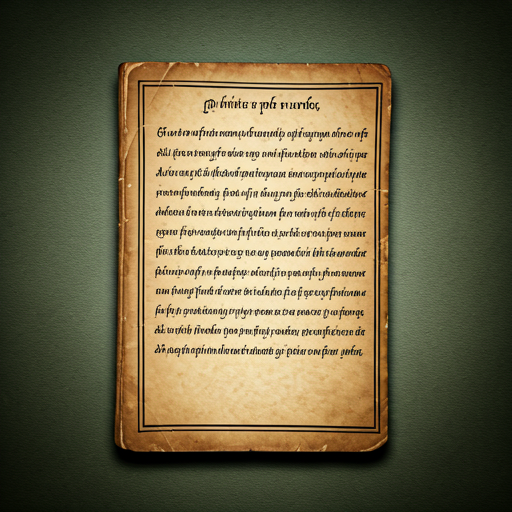
Ancient Jain manuscript

तं पिउसेणा ण पिउसेणकण्हं कुमारं, णो चेव णं तुमं पिउसेणकण्हं कुमारं जीवमाणं पासिहिसि ।

"Pitrisenadevi — Pitrisena Krishna Kumar is gone. You will not see Pitrisena Krishna Kumar alive." — Lord Mahavira

About This Chapter

Pitrisena Krishna Kumar

The ninth chapter — one from the end. The one who carries the fathers' army into the fathers' war. The Jain understanding of karma does not excuse inherited patterns.

The ninth adhyayan introduces a new kind of name: not a quality like "great" or "brave" or "beautiful," but a lineage reference. Pitrisena Krishna Kumar — "the divine dark one of the ancestral army" — carries in his name the explicit acknowledgment that his path was inherited. "Pitrisena" means "army of the fathers." He fights because his fathers fought. He goes to the war because the lineage demands it.

The Jain understanding of karma does not excuse inherited patterns. One may have been born into a family of warriors, raised to value military victory, given a name that means "ancestral army" — and still the consequence of participating in violence is the same. The inherited pattern is not destiny. It is an obstacle that the soul must eventually recognize and transcend. The ninth chapter arrives at the edge of the arc's completion with this insight: knowing where a pattern came from does not dissolve its consequences.

10
Sutras
5
Parts
10 Sāgaropama
Hell Duration
Ninth of Ten
The Ancestral Army
Nirayavali · Varga 1 · Adhyayana 9

The 10 Sutras

Each sutra is presented with the original Ardhamagadhi Prakrit, English translation, commentary, and a contemplative prompt.

Part I — The Setting
9.1

Nine Times — The Ground That Holds Everything Equally

तेणं कालेणं तेणं समएणं रायगिहे णामं णयरे होत्था । रिद्धिथिमियसमिद्धे वण्णओ । गुणसीले चेइए वण्णओ । असोवरपायवे वण्णओ । पुढविसीलापट्टे वण्णओ ।

At that time, at that period, there was a city called Rajagriha — prosperous and thriving [description as in the Aupapatika Sutra]. There was the Gunasila garden [description likewise]. There was a foremost Ashoka tree [description likewise]. There was a stone slab upon the earth [description likewise].

Nine times. The opening is now as steady as the heartbeat of the text itself. Rajagriha, Gunasila, the Ashoka tree, the stone slab. One more chapter after this, and the Varga will close. The sacred geography that has held all nine stories — and will hold the tenth — does not tire, does not change, does not grow impatient. This is what it means for a place to be sacred: it holds everything that comes to it with equal steadiness. Grief and truth and teaching — all received by the same ground.

The simple version: The ninth chapter opens at the same sacred geography — Rajagriha, Gunasila, the Ashoka tree, the stone slab. Nine times. One more to go.
As something approaches its end — a project, a season, a relationship — what is the steady ground that will remain after it is complete?
RajagrihaNinth RepetitionSacred SteadinessApproaching Completion
9.2

The Ninth Transmission — Patient Practice at Its Completion

तेणं कालेणं तेणं समएणं समणस्स भगवओ महावीरस्स अंतेवासी अज्जसुहम्मे णामं अणगारे जाइसंपण्णे कुलसंपण्णे जहा केसी जाव पंचहिं अणगारसईहिं सड्ढिं संपरिवुढे पुढवीं चरमाणे गामाणुगामं दूइज्जमाणे जेणेव रायगिहे णयरे जाव अहापडिरूवं उग्गहं ओगिण्हित्ता संजमेणं तवसा अप्पाणं भावेमाणे विहरइ । परिसा णिग्गया । धम्मो कहिओ । परिसा पडिगया ।

At that time, Arya Sudharmashvami — accompanied by five hundred monks, wandering village to village — arrived at Rajagriha; accepted suitable lodging; dwelt through restraint and austerity. The assembly came out. The teaching was given. The assembly returned.

The ninth assembly. The teaching given for the ninth time. In one more chapter, the Varga will be complete — and the transmission of all ten stories will have been accomplished. This is the work of sacred literature: patient, repetitive, persistent — arriving at the destination not through a single dramatic act but through the accumulated practice of transmission. Nine assemblies. Nine dispersals. The teaching has been sent into the world nine times from this sutra. The tenth will close the series.

The simple version: Sudharmashvami arrived, the ninth assembly gathered and dispersed — the same steady transmission, nearly complete.
What work in my life requires patient, repetitive practice to accomplish — and am I giving it that patience, or rushing toward the dramatic conclusion?
SudharmashvamiNinth AssemblyPatient TransmissionNear Completion
Part II — The Inquiry
9.3

What Have We Inherited — Examined or Unexamined?

तेणं कालेणं तेणं समएणं अज्जसुहम्मस्स अणगारस्स अंतेवासी जंबू णामं अणगारे ... उज्जुं जाणू अहोसिरे जाव विहरइ । तए णं से जंबू जायसड्ढे जाव पज्जुवासमाणे एवं वयासी — उवंगणं भंते समणेणं भगया महावीरेणं जाव संपत्तेणं के अट्ठे पण्णत्ते? एवं खलु जंबू ... उवंगणं पंच वग्गा पण्णत्ता, तं जहा: णिरयावलियाओ, कप्पवंसियाओ, पुप्फियाओ, पुप्फचूलियाओ, वण्हिदसाओ ।

Jambu asked what Mahavir taught in the Upanga. Answer: five sections — Nirayavali, Kalpavamsika, Pushpika, Pushpachulika, Vrishni Dasha.

Nine times the five sections are named. The last two names in the verse of ten brothers — Piuseṇakaṇha and Mahāsenakaṇha — carry a new kind of compound name: not qualities but family/lineage references. "Pitrisena" means "army of the fathers." The ninth and tenth brothers carry names that point backward, to what was handed down to them. They inherited their fate, in a sense, from the lineage they were born into. The question this naming raises: what have I inherited — not just a name but patterns, loyalties, compulsions — that I have not yet examined?

The simple version: Jambu asked and the five sections were named for the ninth time — with only one more telling to go.
What have I inherited — not just material inheritance but patterns, loyalties, compulsions — that I have not yet examined as carefully as I should?
Jambu SwamiFive SectionsInherited PatternsLineage Names
9.4

The Ten Named — The Ninth, Explicitly Named as Ninth

एवं खलु जंबू समणेणं भगया महावीरेणं जाव संपत्तेणं उवंगणं पढमस्स वग्गस्स णिरयावलियाणं दस अज्झयणा पण्णत्ता । तं जहा — काले सुकाले महाकाले, कण्हे सुकण्हे तहा महाकण्हे । वीरकण्हे य बोध्दव्वे, रामकण्हे तहेव य ॥ पिउसेणकण्हे णवमे, दसमे महासेणकण्हे उ ॥

The ten adhyayanas: Kala, Sukala, Mahakala, Krishna, Sukrishna, Mahakrishna, Virakrishna, Ramakrishna, Piusena-Krishna, Mahasena-Krishna.

"Piuseṇakaṇhe ṇavame" — Piusena-Kaṇha is the ninth. The verse names him explicitly as "ninth." The final two brothers — the ninth and the tenth — are named with their ordinal position given directly in the verse. The verse itself knows it is reaching its conclusion. "Pitrisena" means "army of the fathers combined with the divine dark" — a name that carries both military inheritance and divine resonance. The verse has descended to the final pair. After the ninth comes only one more.

The simple version: The verse of ten names is sung again — Pitrisena Krishna Kumar (Piuseṇakaṇha) is explicitly named as ninth.
As I approach the end of something — a chapter, a decade, a phase of life — what have I learned that I did not know at the beginning?
Ten AdhyayanasPiuseṇakaṇha — NinthOrdinal Position NamedApproaching the End
Part III — Pitrisena Krishna Kumar
9.5

Queen Pitrisenadevi and Prince Pitrisena Krishna Kumar

एवं खलु जंबू तेणं कालेणं तेणं समएणं इहेव जंबुद्दीवे दीवे भारहेवासे चंपा णामं णयरी होत्था । ... तत्थ णं चंपाए णयरीए सेणियस्स रण्णो भंजा कूणियस्स रण्णो चुल्लमाउया पिउसेणा णामं देवी होत्था, सूमालपाणिपाया जाव सुरूवा । तीसे णं पिउसेणाए देवीए पुत्ते पिउसेणकण्हे णामं कुमारे होत्था, सूमालपाणिपाया जाव सुरूवे ।

Thus, Jambu — in Champa, King Konik ruled. Also in Champa was Queen Pitrisenadevi (Piuseṇā) — a niece of King Shrenika — beautiful, with delicate hands and feet. Her son was Prince Pitrisena Krishna Kumar (Piuseṇakaṇha Kumāra), handsome and delicately formed.

"Pitrisena" — army of the fathers. This name speaks directly to what the Nirayavali has been showing for nine chapters: the ten brothers were not acting in isolation when they went to war. They were carrying out the inherited obligations of their lineage, the military loyalty of their clan. The ninth brother's name acknowledges this directly — he is the one whose army is his fathers' army, who fights because his fathers fought. The Jain understanding of karma is clear on this: the inherited pattern is not destiny. It is an obstacle that the soul must eventually recognize and choose to transcend.

The simple version: In Champa, Queen Pitrisenadevi — "she of the ancestral army" — was one of Shrenika's queens, and her son was Prince Pitrisena Krishna Kumar.
What have I inherited from my family or culture that I am acting on without having chosen — and what would it mean to examine that inheritance consciously?
ChampaQueen PitrisenadeviPitrisena Krishna KumarInherited Pattern
9.6

The Ancestral Army Marches to the Ancestral War

तए णं से पिउसेणकण्हे कुमारे अण्णया कयाइ तिण्हं दंतिसहस्सेहिं, तिण्हं रहसहस्सेहिं, तिण्हं आससहस्सेहिं, तिण्हं मणुयकोडीहिं, गडलवूहे एक्कारसमेणं खंडेणं कूणिएणं रण्णा सड्ढं रहमुसलं संगामं ओयाए ।

Then, on a certain day, Pitrisena Krishna Kumar — with three thousand war elephants, three thousand chariots, three thousand cavalry, and three billion foot soldiers — set out in garudavyuha formation as the eleventh division of Konik's army, to fight the Rathamushala battle.

The ninth brother who carries "ancestral army" in his name marches with the ancestral army into the ancestral war. "Pitrisena" — army of the fathers — marches to fulfill what his fathers set in motion. The Rathamushala war was not started by these ten princes. They were drawn into it. They marched because Konik marched, because the lineage demanded it, because "Pitrisena" is who they had been told they were. The karma of inherited violence is still karma. Knowing the source of a pattern does not change its consequence — only choosing differently can do that.

The simple version: Pitrisena Krishna Kumar — "the ancestral army" — marched to battle with the same force as all his brothers, inheriting the same path.
What battles am I fighting that I inherited rather than chose — and have I ever asked whether they are actually mine to fight?
Rathamushala BattleNinth MarchInherited WarKarma of Inheritance
Part IV — Pitrisenadevi Rani
9.7

Nine Mothers — The Ancestral Army Cannot Keep This Vigil Away

तए णं तीसे पिउसेणा देवी अण्णया कयाइ कुडुंबजागरियं जागरमाणीए अयमेयारूवे अज्झत्थिए जाव समुप्पजित्था — एवं खलु मं पुत्ते पिउसेणकण्हे कुमारे तिण्हं दंतिसहस्सेहिं जाव ओयाए । से मण्णे किं जिस्सइ णो जिस्सइ, जीविस्सइ णो जीविस्सइ, पराजिणिस्सइ णो पराजिणिस्सइ, पिउसेणकण्हे णं कुमारे अहं जीवमाणं पासिस्सं ? ओहियमण जाव झियाइ ।

Then, on a certain night, Queen Pitrisenadevi — lying awake keeping household vigil — had this thought arise within her: "My son Pitrisena Krishna Kumar has gone to war. Will he win? Will he live? Will I see Pitrisena Krishna Kumar alive?" Her mind grew heavy and she fell into deep grief.

Nine mothers lying awake. The one whose name carries the weight of ancestral armies lies awake with the same fear as the one whose name simply means "dark." Nine nights of the same vigil. The Nirayavali has now demonstrated this through nine different names, nine different nights, nine identical vigils. The teaching is complete before the tenth chapter. What the tenth chapter will do is close the arc — give the series its ending, the tenth proof of the principle, the completion of the pattern.

The simple version: Pitrisenadevi lay awake in the same fear as every mother before her — nine nights of the same grief, the ancestral army no protection.
What would it take for me to stop maintaining the same fearful vigil and instead take the fear to someone who can help me understand it?
Household VigilNinth NightNine MothersUniversal Fear
9.8

The Teaching Cannot Be Received by Proxy

तेणं कालेणं तेणं समएणं समणे भगवं महावीरे समोसरिए । परिसा णिग्गया । तए णं तीसे पिउसेणा देवी इमीसे कहाए लद्धट्ठाए समाणीए ... समणं भगवं महावीरं तिक्खुत्तो आयाहिण-पयाहिण करेइ, करेत्ता वंदइ णमंसइ, वंदित्ता णमंसित्ता थिया चेव सपरिवारा सुस्सूसमाणी णमंसमाणी अभिमुहा विणयणं पंजलिउडा पज्जुवासइ ।

Mahavir arrived in Champa. The assembly came out. Pitrisenadevi, hearing the news, prepared herself and went to Mahavir; she circumambulated him three times, bowed in reverence, and sat before him with joined palms, attending with full devotion.

Nine journeys to the feet of the teacher. Nine preparations, nine circumambulations, nine bowings, nine sittings in reverence. The path is now worn deep by repetition. And still — the ninth mother makes the journey. She does not say: "eight other mothers have already done this, I know the answer." She goes herself. She circumambulates herself. She bows herself. She sits herself. The teaching cannot be received by proxy. Nine times this has been demonstrated. The wisdom inherited from someone else's journey is not the same as the wisdom earned from one's own.

The simple version: Mahavir arrived in Champa, and Pitrisenadevi went to him herself — prepared, reverent, present.
Is there wisdom I have heard about from others many times but have never gone to receive directly myself — and why not?
Mahavir ArrivesCircumambulationNinth JourneyCannot Be Received by Proxy
Part V — The Teaching and Its Fruit
9.9

The Ninth Verdict — Ancestral Credit Does Not Substitute for Individual Karma

तए णं समणे भगवं महावीरे पिउसेणा देवीए ... धम्मं परिक्काहेइ जाव आणाए आराहए भवइ । तए णं सा पिउसेणा देवी ... एवं वयासी — एवं खलु भंते मम पुत्ते पिउसेणकण्हे कुमारे तिण्हं दंतिसहस्सेहिं जाव रहमुसलं संगामं ओयाए । से णं भंते किं जिस्सइ णो जिस्सइ जाव पिउसेणकण्हे णं कुमारे अहं जीवमाणं पासिस्सं? तव पुत्ते पिउसेणकण्हे कुमारे जाव चेडगस्स रण्णो एगाहिचं कूडाहिचं जीवियाओ वावरोवेइ । तं पिउसेणा ण पिउसेणकण्हं कुमारं, णो चेव णं तुमं पिउसेणकण्हं कुमारं जीवमाणं पासिहिसि ।

Mahavir taught the dharma to Pitrisenadevi and the full assembly. Pitrisenadevi, having absorbed the teaching, asked: "My son Pitrisena Krishna Kumar has gone to battle. Will he win? Will I see him alive?" Mahavir replied: "Your son Pitrisena Krishna Kumar was killed by King Chetaka with a single fatal blow. Pitrisenadevi — you will not see Pitrisena Krishna Kumar alive."

"You will not see the ancestral army's bearer alive." The inherited military tradition, the ancestral loyalty, the fathers' army — none of it protected him. Chetaka's arrow found the ninth son of Shrenika the same as it found the first. This is the Nirayavali's patient argument against the belief that ancestral tradition, inherited status, or accumulated family merit can substitute for individual karmic accountability. Each soul faces the consequences of its own actions — not its fathers' virtue.

The simple version: Pitrisenadevi asked and received the same answer: her son was killed by Chetaka, and she would not see him alive.
Do I rely on inherited spiritual credit — family piety, ancestral merit, religious lineage — to protect me from consequences that only my own actions can address?
Chetaka's ArrowNinth VerdictIndividual Karmic AccountabilityAncestral Merit Does Not Transfer
9.10

Hemabha — Nine Brothers, Three Generations

तए णं सा पिउसेणा देवी ... एवं वयासी — सुयं मे आउसो तहेव जाव जाणामि णं एवं खलु मम पुत्ते पिउसेणकण्हे कुमारे कालमासे कालं किच्चा कहिं गए कहिं उववण्णे? तव पुत्ते पिउसेणकण्हे कुमारे कालमासे कालं किच्चा णेरइयत्ताए उवावण्णे जाव पंकप्पभाए पुढवीए हेमाभे णामं णिरए दस सागरोवमाइं ठिई ।

Queen Pitrisenadevi, having accepted the news, asked: "I have heard, Lord — and I accept. Where has my son Pitrisena Krishna Kumar's soul gone? Where was he reborn?" Mahavir answered: "Your son Pitrisena Krishna Kumar has been reborn as a hellish being — in the fourth earth Pankprabha, in the hell called Hemabha, for a duration of ten sāgaropama."

Nine brothers in Hemabha. The pattern is complete in all essentials. The tenth chapter will confirm it — but the truth has been established nine times over. Nine data points is not a coincidence. It is a law. Pitrisenadevi will follow the path of liberation. Her grandson will take ordination and go to heaven. Her son is in Hemabha. Three generations, three paths, three different karmic directions — all arising from the same lineage, the same household, the same inherited war. The same family can, within three generations, exhaust one karmic direction and begin another.

The simple version: Pitrisenadevi accepted the truth and asked where her son went. The same answer: fourth hell, Hemabha, ten sāgaropama. Nine brothers — one destination.
When I look at three generations of my own family — grandparents, parents, self — what karmic patterns have I inherited, and which ones am I prepared to be the one who changes them?
Pankprabha EarthHemabha HellTen SāgaropamaThree Generations — Three Directions

"The one who carries 'ancestral army' in his name marches with the ancestral army to the ancestral war — and descends to the same fourth hell as the brother whose name simply means 'dark.' Nine verdicts. One principle: the karma of inherited violence is still karma. Knowing where a pattern came from does not dissolve its consequences. Only choosing differently can do that."

— Nirayavali Sutra, Varga 1, Chapter 9

Continue the Varga

Navigate the Nirayavali